Solar Panel Installation in Nigeria: Your Grid Escape Plan
This blog examines solar panel installation in Nigeria, tracing its evolution from a “green alternative” to a mandatory economic defence strategy.
As grid tariffs reach record highs and the noise of neighbourhood generators becomes a literal tax on your peace of mind, this guide explores the technical and financial roadmap to total energy autonomy.
We aren’t just talking about panels on a roof; we are talking about building a personal power plant that harnesses the Nigerian sun to create a permanent hedge against rising costs.
Let’s dive right in.
You may also like:
Key Takeaways
→ Nigeria’s power crisis costs businesses ₦10 trillion annually. Your reliance on the grid is an active liability, not a convenience.
→ Solar isn’t just an alternative; it’s a superior investment. Expect 2-5 year payback periods and decades of free power.
→ The right installer makes all the difference. Vetting expertise, certifications, and proven track records prevents costly mistakes.
→ Understanding system components is critical. Don’t get stuck with undersized batteries or inefficient panels.
→ Financing options make solar accessible. Innovative models remove the upfront cost barrier, turning expense into an asset.
→ Maintenance is minimal but crucial. Protect your investment with smart care and expert support.
The Nigerian Power Nightmare: Why You Can’t Afford to Wait
Let’s be honest: Nigeria’s national grid is a catastrophe. It’s unreliable, inefficient, and actively sabotages your potential.
The World Bank reports that Nigerian businesses lose an estimated ₦10 trillion annually due to power outages.
Think about that number:
That’s not just a statistic; that’s your lost revenue, your wasted time, your crippled growth.
You have a choice. Continue to suffer, buy expensive fuel, maintain noisy generators and pray for stable power that never comes. Or you can invest in true energy independence.
Solar panel installation in Nigeria isn’t a luxury; it’s a survival strategy, a non-negotiable step for anyone serious about their finances and their future.
The Hard Truth About Grid Dependence
What most people miss is the hidden cost of grid dependence. The issue is not just your monthly NEPA bill. It’s the cost of generator fuel, which has skyrocketed.
It’s the repair and maintenance of those generators. The spoiled goods from refrigeration failures. And the lost productivity from interrupted work. It’s the security risk of darkened premises. These costs accumulate, silently eroding your capital.
The reality is, the grid will not magically improve overnight. Decades of underinvestment and mismanagement have created a system beyond quick fixes.
And that’s exactly why solar panel installation in Nigeria is no longer a niche solution but a mainstream imperative. You can’t control the grid, but you can control your own power supply.
Why Solar Panel Installation in Nigeria Is Your Smartest Investment
This isn’t about being “green”; it’s about being financially ruthless. A properly sized and installed solar system provides a predictable, reliable power source for decades.
Imagine eliminating your electricity bill, or at least reducing it significantly. Picture a world where fuel price hikes are a thing of the past for your generator. Now imagine your business operating consistently, regardless of NEPA’s whims.
Think about it this way:
Solar is an asset that generates returns. Your generator is a depreciating liability that consumes cash. The average payback period for a well-designed solar system in Nigeria can be as low as 2-5 years.
After that, you’re enjoying free electricity for 20-25 years or more. That’s an ROI that few other investments can match.
Navigating the Minefield: Choosing the Right Solar Installer
Not all solar installers are created equal. The market is flooded with opportunists offering cheap, substandard solutions that will cost you more in the long run.
A shoddy installation means inefficient power, frequent breakdowns, and a system that fails to deliver on its promises. This isn’t a DIY project; it’s a critical infrastructure investment.
You need an installer with a proven track record, certified technicians, and a deep understanding of Nigeria’s unique environmental and power challenges.
Ask for case studies, demand references, and scrutinize their warranty terms. A reputable installer like Maypatronic doesn’t just sell you panels; they engineer a complete energy solution tailored to your specific needs.
We understand that your electricity isn’t just a utility; it’s the lifeblood of your home or business.
The Core Components: What You Need to Know
Don’t get fleeced by jargon or vague promises. A robust solar panel installation in Nigeria comprises several key components, each critical to the system’s performance and longevity. You need to understand them.
First, the solar panels themselves. They capture sunlight. Efficiency matters here; higher efficiency means more power from less space.
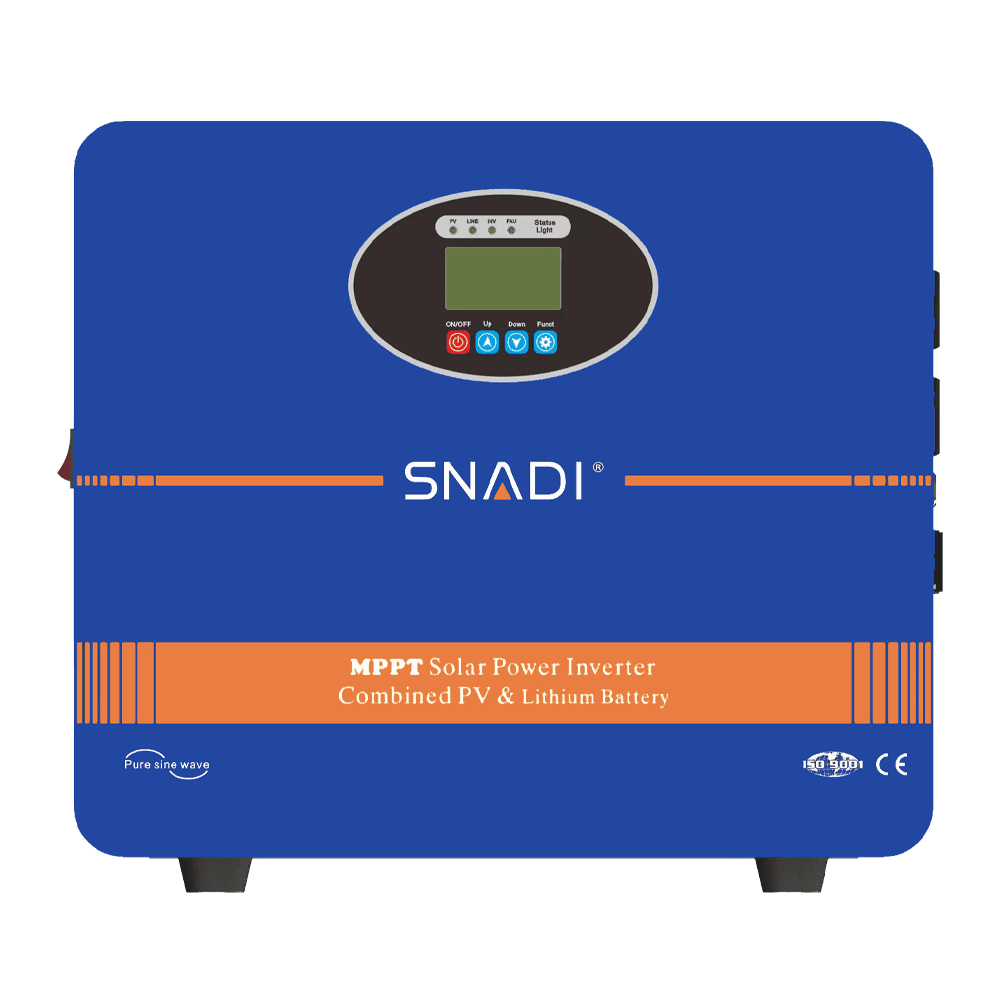
Then there’s the inverter, the brain of your system, converting DC power from the panels into AC power your appliances use. A good inverter minimizes energy loss and maximizes output.
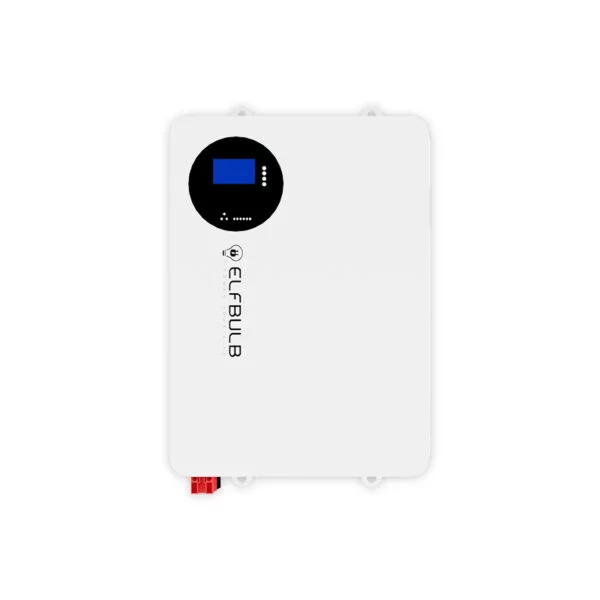
Next, the batteries. These are your power bank, storing excess energy for use when the sun isn’t shining.
Battery technology has advanced rapidly, with lithium-ion leading the charge for its longevity and performance.
Undersize your batteries, and you’re back to generator reliance. Oversize them, and you’ve wasted money. This is where expert sizing from a company like Maypatronic is non-negotiable.
Finally, the charge controller regulates the power flow to and from your batteries, protecting them from overcharging or deep discharge. Each component must be perfectly matched for optimal performance.
Sizing Your System: Precision, Not Guesswork
Underestimating your power needs is a rookie mistake that will cost you dearly. Before any solar panel installation begins, a thorough energy audit is essential.
This isn’t about guessing; it’s about precise calculation of your daily energy consumption. Every appliance, every light, every hour of operation must be factored in.
A professional installer will assess your current electricity bills, analyze your peak usage times, and even conduct a site survey to determine optimal panel placement and shading.
This data drives the design of a system that meets your exact requirements, ensuring you get the power you need without overspending on excess capacity or suffering from constant shortages.
Solar Panel Installation Cost vs. Value: Understanding the Investment
Let’s address the elephant in the room: the upfront cost. Yes, solar panel installation requires an initial investment.
But this isn’t an expense; it’s a strategic capital allocation. You’re not buying electricity; you’re buying the ability to produce your own electricity for decades.
The cost varies widely based on system size, component quality, and installation complexity. A small residential system might start from a few million Naira, while a large commercial installation could run into tens of millions.
What matters is the value proposition:
The long-term savings, the energy independence, and the resilience against grid collapse. When you factor in the avoided costs of generators, fuel, and grid instability, solar often pays for itself rapidly.
Financing Your Freedom: Smart Money Moves
The good news is you don’t have to pay for everything up front. The solar market in Nigeria is evolving, with various financing options emerging to make energy independence more accessible.
This is crucial for businesses and homeowners who understand the value but need help with the initial capital outlay.
Look for installers who offer flexible payment plans, lease-to-own options, or connections to specialized solar financing institutions.
Some banks are now offering loans specifically for renewable energy projects, recognizing the strong ROI.
Don’t let the initial price tag deter you. Explore every financing avenue to turn a significant investment into manageable payments that are often less than your current energy expenditure.
The Installation Process: What to Expect
A professional solar panel installation follows a clear, structured process. It starts with the energy audit and system design, as discussed.
Once the design is finalized and approved, the equipment is procured. This is where quality control is paramount; ensure your installer is sourcing genuine, high-quality components.
The physical installation involves mounting the panels, wiring the system, installing the inverter and batteries, and connecting it all to your existing electrical infrastructure.
This demands skilled technicians, adherence to safety standards, and meticulous attention to detail. After installation, the system is tested and commissioned, ensuring everything operates flawlessly. A reliable installer will also walk you through system operation and basic monitoring.
Maintenance and Monitoring: Protecting Your Asset
Your solar system is a long-term asset; treat it that way. While solar panels require minimal maintenance, it’s not entirely set-it-and-forget-it.
Regular cleaning of panels, especially in dusty Nigerian environments, maximizes efficiency. Periodic checks of wiring, connections, and inverter performance are also crucial.
Many modern solar systems come with monitoring capabilities, allowing you to track energy production and consumption in real-time. This data is invaluable for optimizing your usage and quickly identifying any potential issues.
Partner with an installer like Maypatronic, who offers post-installation support and maintenance packages. This ensures your investment continues to deliver peak performance for decades.
The Future is Solar Energy: Don’t Get Left Behind
The world is moving towards renewable energy, and Nigeria is no exception. While the cost of solar technology continues to fall, grid electricity prices and generator fuel costs continue to rise. This makes solar an increasingly undeniable economic choice.
Investing in solar panel installation in Nigeria isn’t just about solving your immediate power problems; it’s about future-proofing your home or business. It increases your property value, reduces your operational costs, and provides a level of energy security that the national grid simply cannot offer.
Don’t be the last one clinging to a failing system. Seize your energy independence now. Stop paying rent on your electricity. Lock in 10 years of grid independence and let the sun pay your Band A bills.
Conclusion
The harsh reality is clear: excessive reliance on the grid is financially and operationally disastrous.
Solar panel installation in Nigeria isn’t an option; it’s a strategic imperative for survival and growth. It’s time to cut the cord, stop the bleeding, and embrace a future powered by the sun.
Don’t just complain about NEPA; outsmart it. The power to change your energy destiny is literally in your hands.
Shop the article