1000w solar system Lagos price: Your Grid Escape Hatch for Uninterrupted Power
This blog is about the 1000w solar system Lagos price.
The roar of a generator is just the sound of money burning. As tariffs rise and the grid remains a gamble, a 1000w solar system has become the ultimate entry point for true autonomy.
It is the perfect threshold for powering your home office, fans, and lighting without waiting for the light to “come back.” But in a market full of “Grade A” claims, what does real reliability actually cost?
Here is the 2026 price breakdown for 1000w solar systems in Lagos—from budget-friendly basics to high-performance LiFePO4 builds.
You may also like:
- Electrical Installation Services in Lagos
- Solar Battery Prices in Lagos
- Solar Installation Companies in Lagos
Key Takeaways
→ The typical 1000w solar system Lagos price ranges from ₦450,000 to ₦850,000 for a quality installation.
→ All-in-one systems like JCNS offer simplified installation and superior efficiency compared to piecemeal setups.
→ Battery capacity (LiFePO4 vs. Lead-Acid) and inverter quality are the primary drivers of cost and performance.
→ A 1000w system effectively powers essential appliances: lights, fans, TVs, laptops, and charging devices.
→ Investing in solar means predictable energy costs, eliminating generator fuel, and achieving true energy independence.
→ “Stop paying rent on your electricity. Lock in 10 years of grid independence and let the sun pay your Band A bills.”
The Myth of “Cheap” Power: Why You’re Still Bleeding Money
Let’s be honest: you’re likely paying too much for unreliable power right now. You buy fuel, maintain noisy generators, and endure the whims of a failing national grid.
Your “cheap” electricity bill is a lie when you factor in all the hidden costs. This isn’t sustainable; it’s a slow financial drain.
Now consider this: a 1000w solar system offers a direct escape. It’s not just about the upfront 1000w solar system Lagos price; it’s about the lifetime value.
You convert sunlight into usable electricity, directly offsetting your grid consumption and generator reliance. This isn’t a luxury; it’s a strategic investment in your financial and operational stability.
What Drives the 1000w Solar System Lagos Price?
The cost of a 1000w solar system in Lagos isn’t a single, fixed number; it’s a dynamic range influenced by critical components.
Forget the vague estimates. We’re talking about specific factors that dictate how much you’ll actually pay and, more importantly, what value you’ll get.
Think about it this way: a car’s price varies wildly based on its engine, features, and brand. Solar is no different. The core components – the inverter, batteries, solar panels, and installation – each make significant contributions.
Inverter Quality: The Brains of Your System
Your inverter is the heart and soul of your solar setup, converting DC power from panels and batteries into AC power for your home.
A cheap, inefficient inverter will waste energy, shorten battery life, and leave you frustrated. The price of the 1000W solar system directly reflects the inverter’s intelligence and durability.
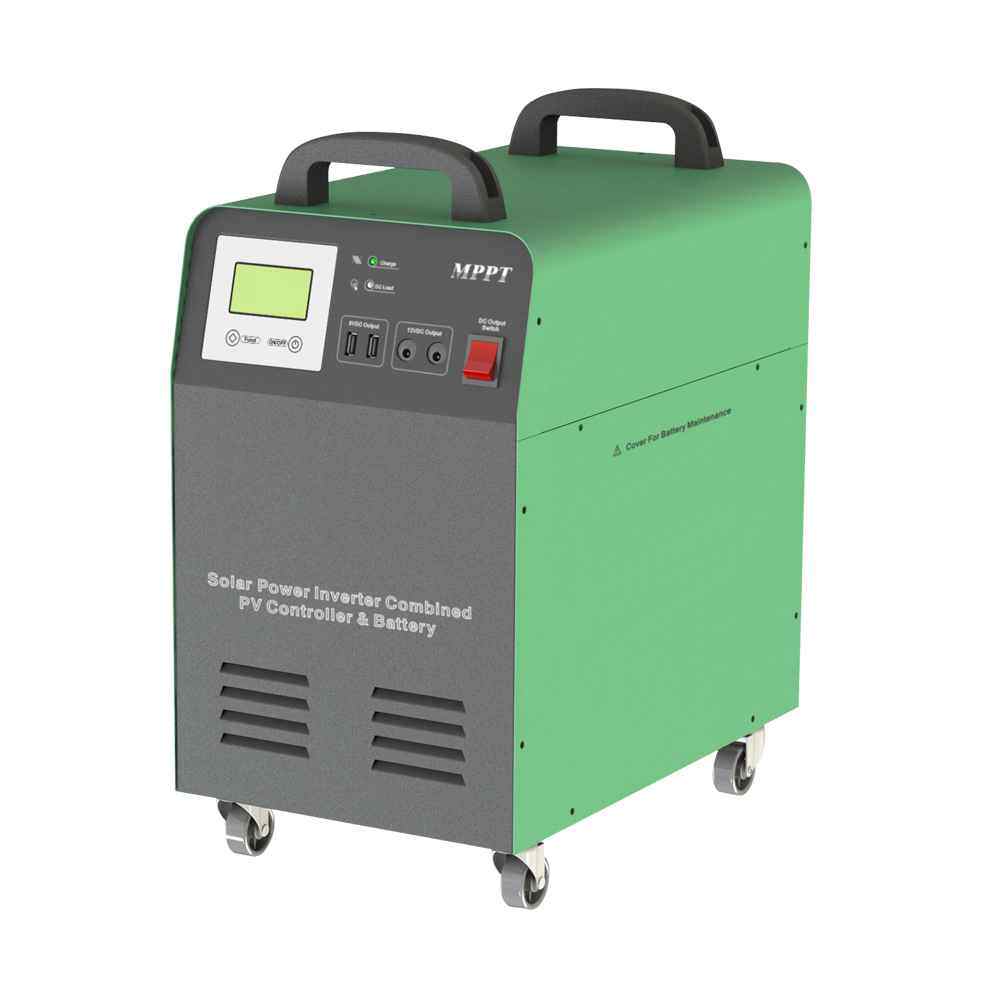
High-quality inverters, especially in all-in-one units like the JCNS 1000w system, boast pure sine wave output. This protects your sensitive electronics from damage.
They also feature advanced MPPT charge controllers, which optimize power harvest from your solar panels, boosting efficiency by up to 30% compared to older PWM controllers. Expect reliable brands to command a higher price, but they deliver superior performance and longevity.
Battery Technology: Your Power Reserve
This is where most people make critical, expensive mistakes: skimping on battery storage. Your battery bank determines how long your lights stay on when the sun goes down or the grid collapses.
The 1000w solar system is heavily influenced by battery type and capacity.
Lead-Acid Batteries: Cheaper upfront but with a shorter lifespan (2-4 years), lower depth of discharge (you can only use about 50% of their capacity without damage), and requiring more maintenance. They’re heavy, bulky, and less efficient. While they lower the initial 1000w solar system Lagos price, their total cost of ownership is often higher due to frequent replacements.
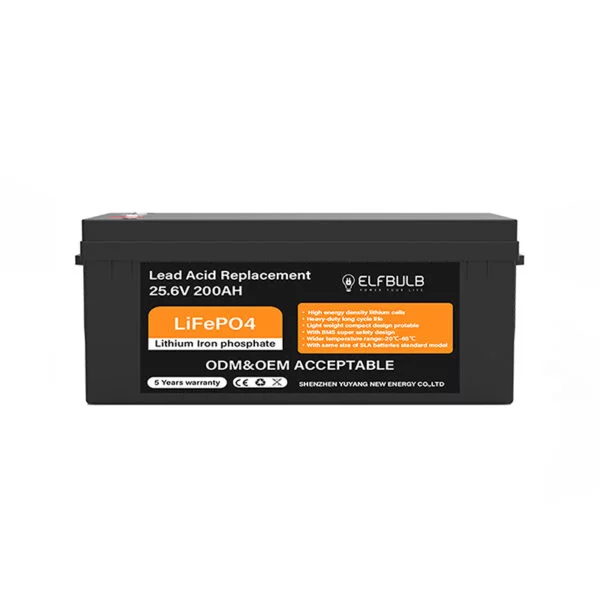
Lithium Iron Phosphate (LiFePO4) Batteries: The superior choice. They offer a significantly longer lifespan (8-15 years), deeper depth of discharge (up to 90% usable capacity), faster charging, and zero maintenance.
They are lighter, more compact, and more efficient. While the initial 1000w solar system for a LiFePO4-based system is higher, their longevity and performance make them a far more cost-effective investment over time.
The JCNS 1000w all-in-one system typically integrates high-quality LiFePO4 batteries, ensuring maximum uptime and reliability.
Solar Panels: The Power Harvesters
The panels are your energy factory, converting sunlight into electricity. For a 1000w system, you’ll typically need 2-4 panels, depending on their individual wattage (e.g., two 500w panels or four 250w panels). The quality and efficiency of these solar panels impact your overall system performance.
Monocrystalline panels are generally more efficient and durable than polycrystalline, especially in Lagos’s high temperatures.
While panel prices have dropped significantly, ensure you’re getting Tier 1 panels from reputable manufacturers.
Don’t compromise on panel quality to save a few naira; it directly impacts how much power your system generates daily.
Installation Costs: The Hidden Variable
A solar system is only as good as its installation. Poor wiring, improper panel mounting, or incorrect system sizing can lead to inefficiencies, safety hazards, and premature component failure.
This isn’t a DIY project unless you’re a certified professional. Installation costs in Lagos cover labor, mounting structures, cabling, conduits, and safety equipment.
Reputable installers provide warranties on their work and ensure your system is optimized for your specific location and energy needs. This component of the 1000w solar system is non-negotiable for a reliable, safe, and long-lasting system.
The JCNS 1000w All-in-One System: Simplicity Meets Power
Most solar setups are a Frankenstein of components – a separate inverter, charge controller, batteries, and wiring.
This complexity increases installation time, potential points of failure, and overall cost. The JCNS 1000w all-in-one solar system slashes through this complexity.
Here’s the thing: an all-in-one unit integrates the inverter, charge controller, and battery into a single, compact device.
This means:
Simplified Installation: Less wiring, faster setup, reduced labor costs.
Optimized Performance: Components are designed to work seamlessly together, maximizing efficiency.
Space-Saving: A clean, compact unit that fits easily into smaller spaces.
Enhanced Reliability: Fewer connections mean fewer potential points of failure.
The JCNS 1000w system is engineered for the Nigerian reality: frequent power outages and the need for robust, reliable backup. It’s built to provide consistent, clean power to your essential appliances without the hassle.
What Can a 1000w Solar System Power?
Don’t underestimate the utility of a well-designed 1000w system; it’s more than just a few lights. This capacity is perfect for small homes, apartments, shops, or offices that need to power essential appliances during grid failures or to significantly reduce their grid consumption.
A 1000w system, especially with efficient LiFePO4 batteries, can comfortably run:
Lighting: Multiple LED bulbs (e.g., 10-15 bulbs for 5-8 hours).
Fans: 2-3 standing or ceiling fans for 6-10 hours.
Entertainment: A 32-40 inch LED TV for 4-6 hours.
Computing: Laptops and desktops for extended periods.
Charging: Phones, tablets, and power banks.
Small Appliances: Blender (intermittently), small sound system.
What it won’t power: heavy-duty appliances like air conditioners, large freezers, electric irons, or water heaters.
For those, you’d need a larger system. But for maintaining comfort, communication, and basic productivity, a 1000w system is a game-changer.
The Real Cost of Doing Nothing: Your Hidden Losses
You think you’re saving money by not investing in solar? Think again. The cost of inaction is a silent killer of your finances and productivity in Lagos.
Every hour the grid is down, you’re losing money, time, and peace of mind.
Generator Fuel: How much do you spend weekly on petrol or diesel? ₦5,000? ₦10,000? Over a year, that’s ₦260,000 to ₦520,000, GONE.
Appliance Damage: Power surges and inconsistent supply from generators or the grid shorten the lifespan of your electronics. Replacement costs add up.
Lost Productivity: Can’t work, can’t study, can’t run your business effectively during outages. This is revenue lost.
Health and Comfort: Noise pollution from generators, heat, and discomfort. These aren’t quantifiable in naira, but they degrade your quality of life.
The 1000w solar system, when viewed against these ongoing expenses, quickly becomes a shrewd investment. You’re not just buying a product; you’re buying freedom from these drains.
How to Get the Best 1000w Solar System Lagos Price
Navigating the solar market in Lagos can feel like walking through a minefield of inflated prices and low-quality offerings.
To secure the best value, you need a clear strategy. Don’t just chase the lowest number; chase the best long-term solution.
1. Demand Quality Components: Insist on pure sine wave inverters, MPPT charge controllers, and LiFePO4 batteries. Avoid anything less, as it will cost you more in the long run.
2. Verify Installer Credentials: Ensure your installer is experienced, certified, and provides a warranty on their work. Ask for references.
3. Get Multiple Quotes: Compare at least three detailed quotes. But critically, compare component specifications, not just the final number. A lower price often means inferior parts.
4. Consider All-in-One Systems: For a 1000w setup, an integrated unit like the JCNS system often provides better value, easier installation, and higher reliability.
5. Understand Warranties: What’s covered? How long? Who handles claims? Good warranties protect your investment.
On the flip side, beware of deals that seem too good to be true. They usually are. A system priced significantly lower than the average 1000w solar system price usually compromises on quality, safety, or both.
Your Path to Energy Independence Starts Now
The grid will continue to be unreliable. Fuel prices will continue to climb. Your dependence on external forces will only increase if you do nothing. This isn’t a prediction; it’s a certainty. The time to act is now.
Investing in a 1000w solar system is a declaration of independence. It’s a statement that you control your power, your finances, and your peace of mind. It’s not just about the 1000w solar system; it’s about the return on investment in a stable, predictable future.
“Stop paying rent on your electricity. Lock in 10 years of grid independence and let the sun pay your Band A bills.” Take control. Secure your power.
Contact us today to discuss your JCNS 1000w all-in-one solar system and get a precise quote tailored to your needs. The sun is free; your power should be too.
Conclusion
The choice is stark: continue to suffer the instability and escalating costs of traditional power, or invest in a reliable, cost-effective solar solution.
The 1000w solar system is an investment in your future, providing consistent power, slashing your bills, and eliminating generator reliance. Don’t just survive the power outages; thrive despite them.
Shop the article