1kva Solar System Lagos Cost: The Brutal Truth About Powering Your Home
This guide explores the 1kva solar system Lagos cost.
Stop letting NEPA hold your finances hostage. You’re here because you’re tired of the flickering lights, the constant generator noise, and the endless drain on your wallet.
You want a 1kva solar system in Lagos, and you need to know the real cost, not some sugar-coated sales pitch.
Let’s jump right in…
You may also like:
Key Takeaways
→ Expect N650,000 – N950,000 for a quality 1kva system in Lagos: This includes panels, inverter, battery, and installation.
→ Hidden costs are profit traps: Beware of installers who don’t itemize every single component and service.
→ Battery capacity is your true power gauge: A 100Ah battery is the bare minimum; 200Ah gives you real peace of mind.
→ The JCNS 1000w all-in-one system is a robust option: It’s designed for efficiency and durability in Nigeria’s harsh conditions.
→ Quality installation dictates system longevity: A cheap install negates premium components; demand expertise.
→ Solar isn’t just an expense; it’s a forced wealth transfer: You’re reclaiming money from the grid and generators.
The Myth of “Cheap” Solar: Why Most Quotes Are Lying to You
Let’s get one thing straight: there’s no such thing as a “cheap” solar system that actually works. Anyone quoting you N300,000 for a 1kva setup in Lagos is either selling you junk, omitting critical components, or planning to fleece you with exorbitant “extras” later. This isn’t a game; it’s your power, your productivity, and your peace of mind on the line.
The reality is, a proper 1kva solar system in Lagos, complete with everything you need to actually run your essentials, will cost you. And that’s exactly why you need to understand every moving part before you commit.
Dissecting the 1kva Solar System Lagos Cost: What You’re Really Paying For
Your 1kva solar system isn’t just an inverter; it’s a complex ecosystem of components. Each piece plays a critical role, and skimping on any one of them will cripple your entire setup.
Here’s the breakdown:
The Inverter: The Brain of Your Operation
A 1kVA inverter is the heart, converting DC power from your batteries into AC power for your appliances. For a 1kva system, you’re typically looking at a pure sine wave inverter. Don’t even consider a modified sine wave; it will fry your sensitive electronics.
- Cost Range: N80,000 – N150,000
- Key Consideration: Look for inverters with high efficiency ratings (90%+) and robust overload protection. The JCNS 1000w system integrates a high-efficiency inverter designed for continuous operation.
But wait, an inverter alone is useless without power storage.
The Batteries: Your Energy Bank Account
This is where most people get scammed or undersized. A 1kva system requires adequate battery storage to actually deliver power when the sun isn’t shining or the grid is down.
- Minimum Requirement: For a 1kva system, you need at least one 12V 100Ah deep-cycle battery. This gives you about 1.2kWh of usable energy.
- Realistic Requirement for Lagos: To run essentials like lights, fans, a TV, and charge devices for 6-8 hours, you’ll want at least two 12V 100Ah batteries (2.4kWh usable) or one 12V 200Ah battery.
- Cost Range (per 100Ah battery): N120,000 – N200,000 (for quality tubular gel or lithium options).
- Total Battery Cost (for 200Ah equivalent): N240,000 – N400,000
Let’s be blunt: if your quote has cheap batteries, walk away. They are the most expensive component to replace, and poor-quality ones will die within a year, leaving you stranded.
Solar Panels: The Power Collectors
These are your electricity factories, converting sunlight into usable energy. For a 1kva (1000W) system, you’ll typically need 2-4 solar panels, depending on their individual wattage.
- Common Panel Sizes: 250W, 300W, 330W, 400W, etc.
- Example Setup: Three 330W panels give you 990W, which is perfect for a 1kva system.
- Cost Range (per panel): N40,000 – N70,000
- Total Panel Cost (for 3x 330W panels): N120,000 – N210,000
What most people miss is that solar panel efficiency and durability matter. Cheap panels degrade faster and produce less power over time.
Charge Controller: The Battery Protector
This device regulates the voltage and current coming from your solar panels to your batteries. It prevents overcharging and deep discharging, significantly extending battery life.
- Types: PWM (Pulse Width Modulation) and MPPT (Maximum Power Point Tracking). Always opt for MPPT; it’s more efficient, especially in fluctuating sunlight.
- Cost Range (MPPT): N30,000 – N70,000
The reality is, a system without a proper charge controller is a ticking time bomb for your batteries.
Installation Materials & Labor: Don’t Skimp Here
This is where the rubber meets the road, and where shoddy work can ruin your investment. Installation isn’t just mounting panels; it’s proper wiring, grounding, conduit, fuses, circuit breakers, and a professional setup.
- Mounting Structure: Essential for securing panels safely.
- Cables and Wires: High-gauge, UV-resistant cables are critical.
- Conduit and Trunking: Protects wiring from the elements and pests.
- Earthing/Grounding: Non-negotiable for safety.
- Labor: Skilled technicians are not cheap, but they prevent costly mistakes.
- Cost Range: N80,000 – N150,000 (for a professional, safe installation in Lagos).
Think about it this way: you wouldn’t buy a luxury car and then let an untrained mechanic work on it. Your solar system is no different.
The JCNS 1000w All-in-One Solar System: A Smart Investment
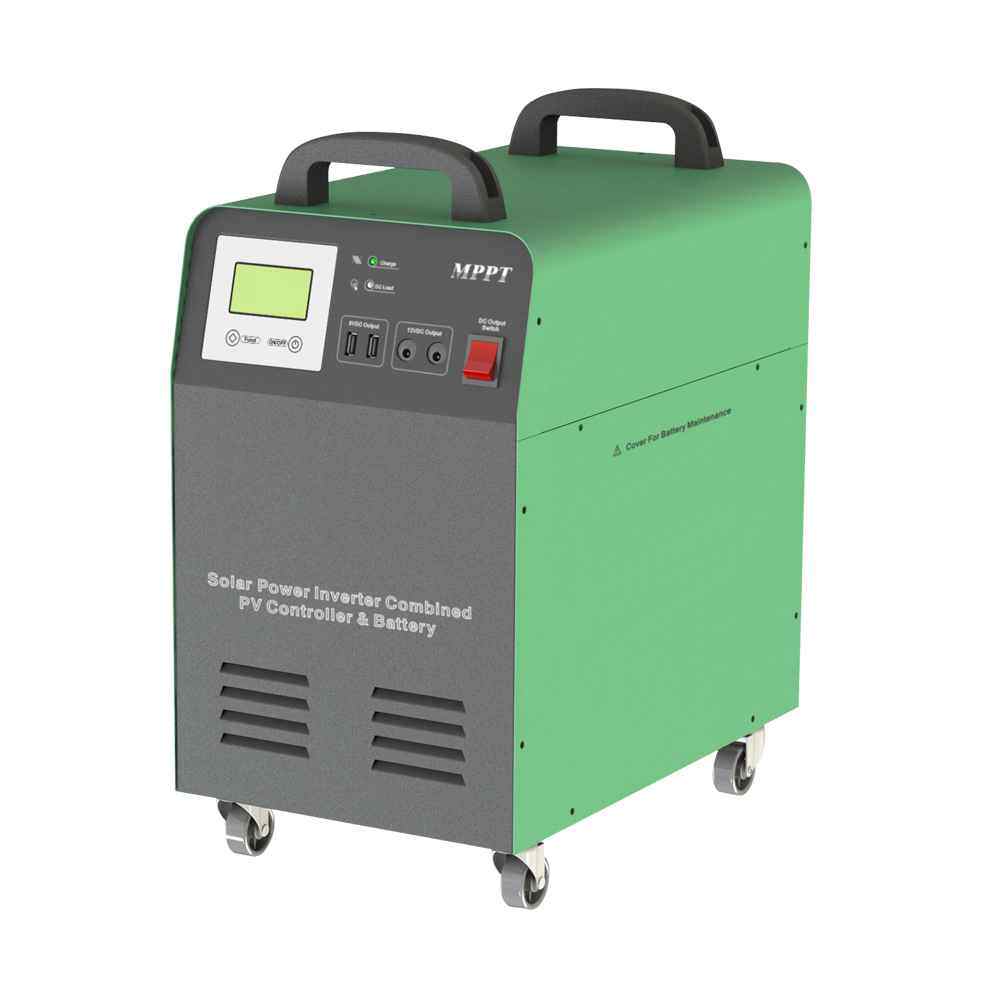
The JCNS 1000w all-in-one solar system is designed to cut through the complexity. It integrates the inverter, charge controller, and often a battery management system into a single, compact unit. This simplifies installation and ensures all components are optimized to work together.
- Key Advantage: Reduced wiring complexity, fewer points of failure, and often a smaller footprint.
- Ideal Use Case: Perfect for small homes, apartments, or offices needing to power essential loads like lights, fans, TVs, laptops, and charging points.
- What it includes: Typically, a high-efficiency inverter, MPPT charge controller, and all necessary protections. You’ll still need to add panels and batteries.
- Why it matters: In a market flooded with components, an integrated system like the JCNS 1000W offers a cohesive and reliable solution, reducing the risk of component incompatibility.
And that’s exactly why understanding the total package is crucial.
The Total 1kva Solar System Lagos Cost: Putting It All Together
So, what’s the bottom line for a quality 1kva solar system in Lagos? Let’s add up the realistic ranges:
- Inverter (integrated within JCNS 1000w): N80,000 – N150,000
- Batteries (2x 100Ah or 1x 200Ah): N240,000 – N400,000
- Solar Panels (3x 330W): N120,000 – N210,000
- Charge Controller (integrated within JCNS 1000w): N30,000 – N70,000
- Installation & Materials: N80,000 – N150,000
Total Estimated Range for a Quality 1kva Solar System in Lagos:
- Low End: N550,000 (Very tight, minimal battery)
- Realistic Average: N650,000 – N850,000 (Good quality components, sufficient battery)
- High End: N950,000+ (Premium components, larger battery capacity)
Meanwhile, if you’re seeing quotes significantly below this, question everything. You’re likely being set up for disappointment, early component failure, or a system that simply won’t meet your needs.
The Hidden Costs of NOT Going Solar: The Generator Trap
Let’s be blunt: the real cost isn’t just the solar system; it’s the money you’re losing by relying on generators and the unreliable grid.
Fuel Costs: A small 1kva generator running for 8 hours a day could consume 5-8 liters of fuel. At N700/liter, that’s N3,500 – N5,600 per day*. Monthly? N105,000 – N168,000. Annually? Over N1.2 million – N2 million.
- Maintenance: Generators need oil changes, spark plugs, and filters. This adds up.
- Noise Pollution: The constant drone erodes your peace of mind and productivity.
- Air Pollution: Bad for your health, bad for the environment.
- Grid Bills: Even with poor supply, you’re still paying fixed charges and estimated bills.
So what happens next? You continue bleeding money into a system designed to fail you. Your 1kva solar system isn’t an expense; it’s an investment that stops the financial bleeding. It’s a forced wealth transfer back into your pocket.
The Critical Factor: Sizing Your System Correctly
Don’t buy a 1kva system just because it sounds good. You need to know what you want to power. This is called load assessment.
- List your essential appliances: Lights, fans, TV, laptop, phone chargers.
- Determine their wattage: Check the labels.
- Estimate daily usage hours: How long will each run?
- Calculate total daily energy consumption (Wh or kWh): This dictates your battery and panel requirements.
For example, a 1kva system can typically handle:
- 5 LED bulbs (10W each) for 8 hours = 400Wh
- 2 Ceiling fans (70W each) for 8 hours = 1120Wh
- 1 TV (100W) for 6 hours = 600Wh
- Laptop/Phone charging = 100Wh
Total: Approximately 2.2kWh per day.
This load assessment will confirm if a 1kva system is truly sufficient or if you need to scale up slightly. Undersizing leads to disappointment; oversizing leads to unnecessary expense.
Why Maypatronic is Your Unfair Advantage
We don’t just sell solar systems; we sell grid independence. We understand the brutal realities of power in Lagos. Our JCNS 1000w all-in-one system is engineered for resilience and backed by transparent pricing. You get what you pay for, and you pay for what you need.
We expose the hidden costs, demystify the technology, and ensure your investment delivers real, tangible returns. We provide the expertise that stops you from getting ripped off by opportunistic installers.
Stop paying rent on your electricity. Lock in 10 years of grid independence and let the sun pay your Band A bills. This isn’t just about lights; it’s about control, stability, and reclaiming your financial future.
Conclusion
The 1kva solar system in Lagos cost is a critical investment, not a casual purchase. You now know the realistic price range, the essential components, and the hidden traps.
Don’t be swayed by ridiculously low quotes; they are a direct path to frustration and wasted money. Demand transparency, quality components, and professional installation. Your energy independence depends on it.
Shop the article
Related products
-
-
-19%
 Mall
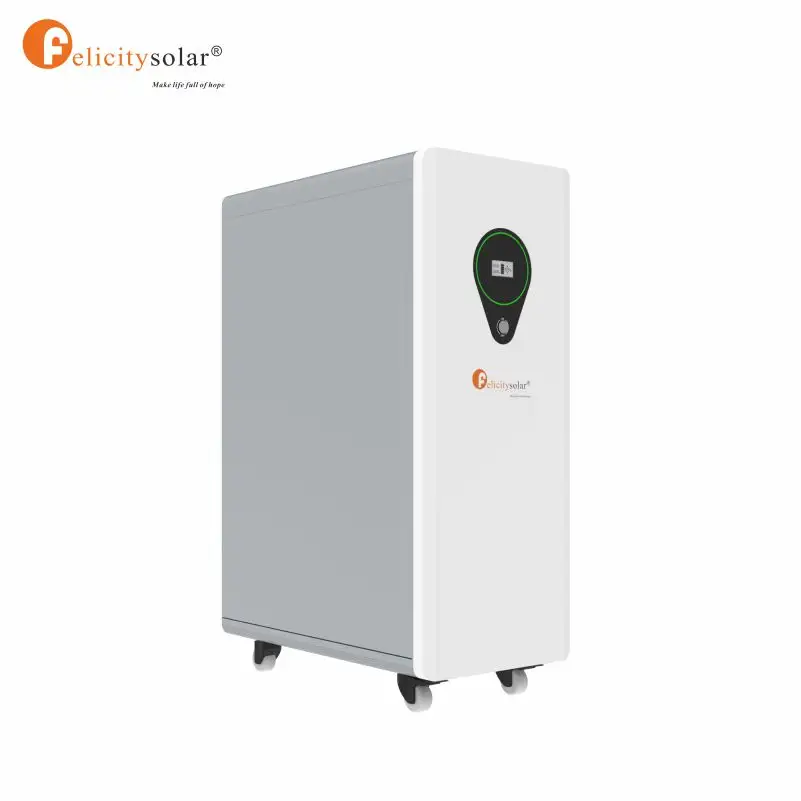
MallFelicity 17.5kwh Lithium Battery 51.2V 350Ah - Five Years Warranty
(1)₦3,100,000.00 ₦3,850,000.00 -
-
-20% BEST SELLER